Is it a face?
A habit with an official name
Encyclopaedia Britannica does not, on this topic page, publish a long standalone article. Last updated 22 July 2026, it curates a passage from its article on apophenia, under “Forms of apophenia.” The official wording is short, and it is enough.[source]
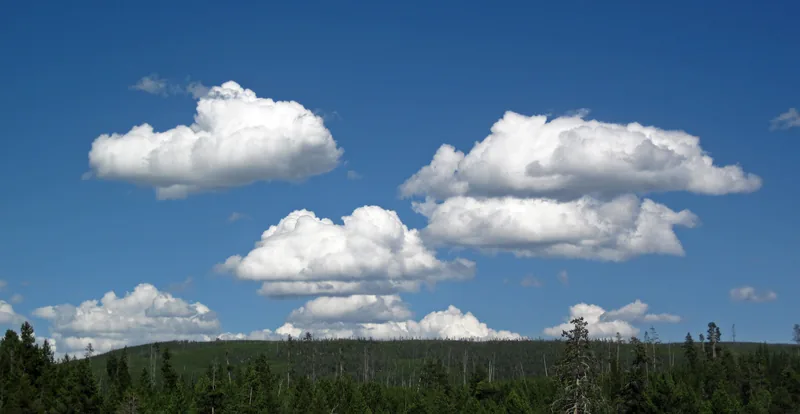
“In pareidolia, illusory perception is visual, and thus individuals tend to see familiar patterns, such as faces or objects, in random stimuli; for example, a person may see images of animals or figures in clouds or rock formations.” The same official page notes that pareidolia is a form of apophenia: the perception of patterns or connections between unrelated or random data.[source]
A NASA Science blog, dated 20 October 2022 and written by Bavani Kathir, offers another official sentence, not treated here as a rewrite of Britannica’s: “The phenomenon of seeing familiar patterns or objects where none exists is called ‘pareidolia.’” That blog is the same page that then turns to a famous mesa on Mars.[source]
An AI “Quick Summary” also appears on the Britannica topic page. This site does not use it as a source. The curated official passage is the wording that is quoted here.[source]
Photographs of clouds on this page are photographs of clouds. Official wording says a person may see animals or figures in them. This site does not point at a particular cloud and name a particular animal as a fact.[source]
The official NASA blog also says the habit is “best exemplified by a popular image photographed from the Viking 1 Orbiter spacecraft of the Cydonia Mensae mesa known as the “Face on Mars.”” That official example is told at length on the next page, with the 1976 caption kept as written.[source]
Enjoyed this desk of faces that are not there?
No pop-ups. No intrusive advertising. Just interesting stuff. A little support helps the next illusions.im site get built.